
English| EUR
Suggested for you
More currencies
Choose a language
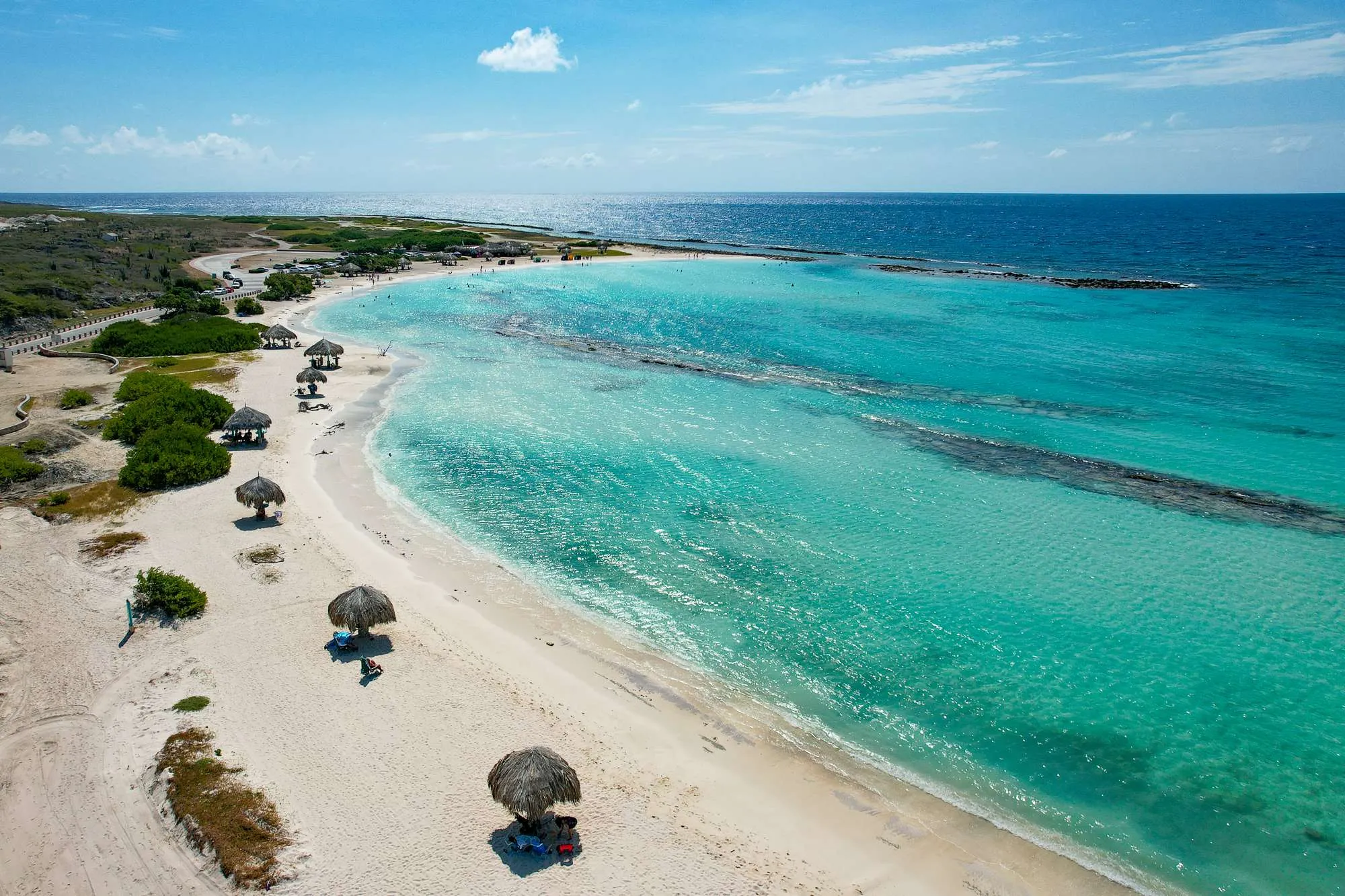
Baby Beach sits in Aruba's protected southern tip, where trade winds lose their force and a shallow lagoon holds warmth like a natural bath. The weather here follows a consistent tropical pattern with minimal seasonal variation, but subtle shifts in wind, rain, and water clarity make certain months more favorable than others.
Quick answer
Baby Beach Aruba weather remains warm year-round, with daily highs between 82–90°F and water temperatures holding steady at 78–82°F across all months. The island experiences a dry season from January through August with minimal rainfall and calmer trade winds, while September through December brings slightly higher humidity and brief afternoon showers that rarely disrupt beach time. The lagoon's shallow depth and natural protection from the reef create exceptionally calm swimming conditions regardless of season.
Aruba lies outside the hurricane belt, giving Baby Beach a climate stability that most Caribbean destinations cannot match. The island receives just 15–20 inches of rain annually, and the southern coast where the beach sits gets even less due to the arid landscape of San Nicolas and Seroe Colorado. Trade winds sweep across Aruba from the northeast at 15–25 mph throughout the year, but Baby Beach's horseshoe shape and enclosing reef act as natural windbreaks. While the northern shoreline sees constant chop and whitecaps, the lagoon remains glassy even on breezy days. Water visibility ranges from 40–80 feet depending on wind direction and recent rainfall, with the clearest conditions appearing during the dry months when runoff stays minimal. The Aruban climate operates on two loose seasons rather than dramatic transitions. January through August delivers the most consistent sunshine, with cloud cover averaging just 20–30 percent and afternoon showers appearing fewer than five days per month. September marks the shift toward slightly wetter conditions as the Intertropical Convergence Zone migrates north, though even the wettest months see only 3–4 inches of total precipitation. Rain typically arrives in short bursts during late afternoon, clearing within 20–30 minutes and leaving the lagoon refreshed rather than murky. Morning temperatures at the beach start around 78°F before climbing into the mid-80s by midday. The constant trade winds keep the heat index manageable, though the lack of natural shade around the lagoon means sun exposure accumulates quickly. UV index readings regularly hit 11+ year-round, making early arrival essential not just for securing a palapa but for avoiding the harshest radiation hours between 11:00 and 15:00. Water temperature fluctuates only 4–5 degrees across the calendar, warm enough that most swimmers skip wetsuits entirely. Seasonal crowd patterns align more with North American and European vacation schedules than with weather variations. December through March draws the heaviest traffic as winter travelers escape cold climates, while May through August sees a secondary peak driven by summer holidays. The shoulder months of April and September offer the most favorable balance of pleasant conditions and manageable visitor numbers, with the same reliable sunshine but fewer competing umbrellas along the sand.
“The lagoon remains glassy even on breezy days while the northern shoreline sees constant chop and whitecaps.”
Aruba maintains a consistent tropical climate with temperatures hovering between 80°F and 88°F year-round. The optimal window for a visit is during the morning hours to take advantage of calmer waters and moderate sun intensity.
84°F–88°F; frequent trade winds.
These months offer stable, sunny weather, though island-wide crowds increase during school holidays.
82°F–86°F; increased humidity.
The island experiences slightly higher chances of rainfall, leading to thinner crowds on the beach.
—
Early visits provide access to the calmest water conditions before peak afternoon temperatures and visitor volume rise.
Verdict: For the best experience, plan your visit for a weekday morning during the shoulder months of April or October.
Baby Beach remains accessible to the public around the clock, allowing visitors to plan their beach excursions according to their preferred weather conditions.
Baby Beach is located in Seroe Colorado, San Nicolas, at the southern tip of Aruba. The most direct way to reach this area is by car or taxi, as public transportation options are limited.
Follow Route 1 south toward San Nicolas, then follow local signs for Seroe Colorado
Direct service from hotels or the airport to Seroe Colorado
Arriva bus to San Nicolas Terminal, followed by a local taxi
Parking is available near the entrance of the beach area. We recommend arriving during the 07:00–10:00 window to secure a palapa and enjoy the calmest waters.
Baby Beach features limited on-site dining, so visitors often choose between the casual beachside grill or driving a short distance into San Nicolas for more variety. Planning ahead helps avoid mid-day hunger as amenities are sparse immediately on the sand.
restaurant
Located directly on the sands of Baby Beach, this venue offers casual seafood and burgers with beach seating.
restaurant
Situated in the heart of San Nicolas, this establishment serves traditional Aruban and Caribbean dishes.
restaurant
A landmark venue in San Nicolas known for its eclectic decor and shrimp specialties, located a short drive from the beach.
street
This zone near the city center provides various local food stalls and small vendors for quick bites and snacks.
Baby Beach's shallow lagoon and exposed location demand sun protection and water gear year-round.
Everything you need to know about baby beach aruba weather
The baby beach aruba weather is generally warm and sunny year-round, making it a reliable spot for swimming and snorkeling. You can expect consistent trade winds that help keep the temperatures comfortable even during peak afternoon heat.
Aruba maintains a tropical climate with little temperature variation throughout the year. Visitors often find that the period from January to August offers excellent conditions for beach activities with minimal rainfall.
While the baby beach aruba weather remains pleasant, the sun is strongest between 11:00 and 15:00. Staying hydrated and utilizing shade under a palapa is recommended to maintain comfort while enjoying the calm lagoon.
Packing for the local conditions should include high-SPF sunscreen, a wide-brimmed hat, and polarized sunglasses to manage the glare. Because the water is shallow and protected by a man-made breakwater, you will also want reef-safe lotion to protect the marine ecosystem.
This area features facilities such as restrooms, showers, and nearby dining options to support a full day at the coast. It is a public destination, so arriving early helps ensure you secure a spot near the water before the beach becomes crowded.
To enjoy the calmest waters and most pleasant morning temperatures, arrive between 07:00 and 10:00. This window allows you to secure a palapa and experience the tranquil lagoon before peak attendance occurs.
Entry to this location is 0 USD regardless of the season or the specific daily conditions. You do not need to worry about ticket prices changing due to the time of year or shifts in the local climate.
Visiting Baby Beach from Aruba Cruise Port
Read more Tickets & toursAruba Jeep Tours to Baby Beach
Read more GuideWhat is Baby Beach in Aruba?
Read more GuideBaby Beach Aruba: Directions and Hours
Read more Tickets & toursBaby Beach Excursions in Aruba
Read more GuideThings to Do at Baby Beach
Read more